


















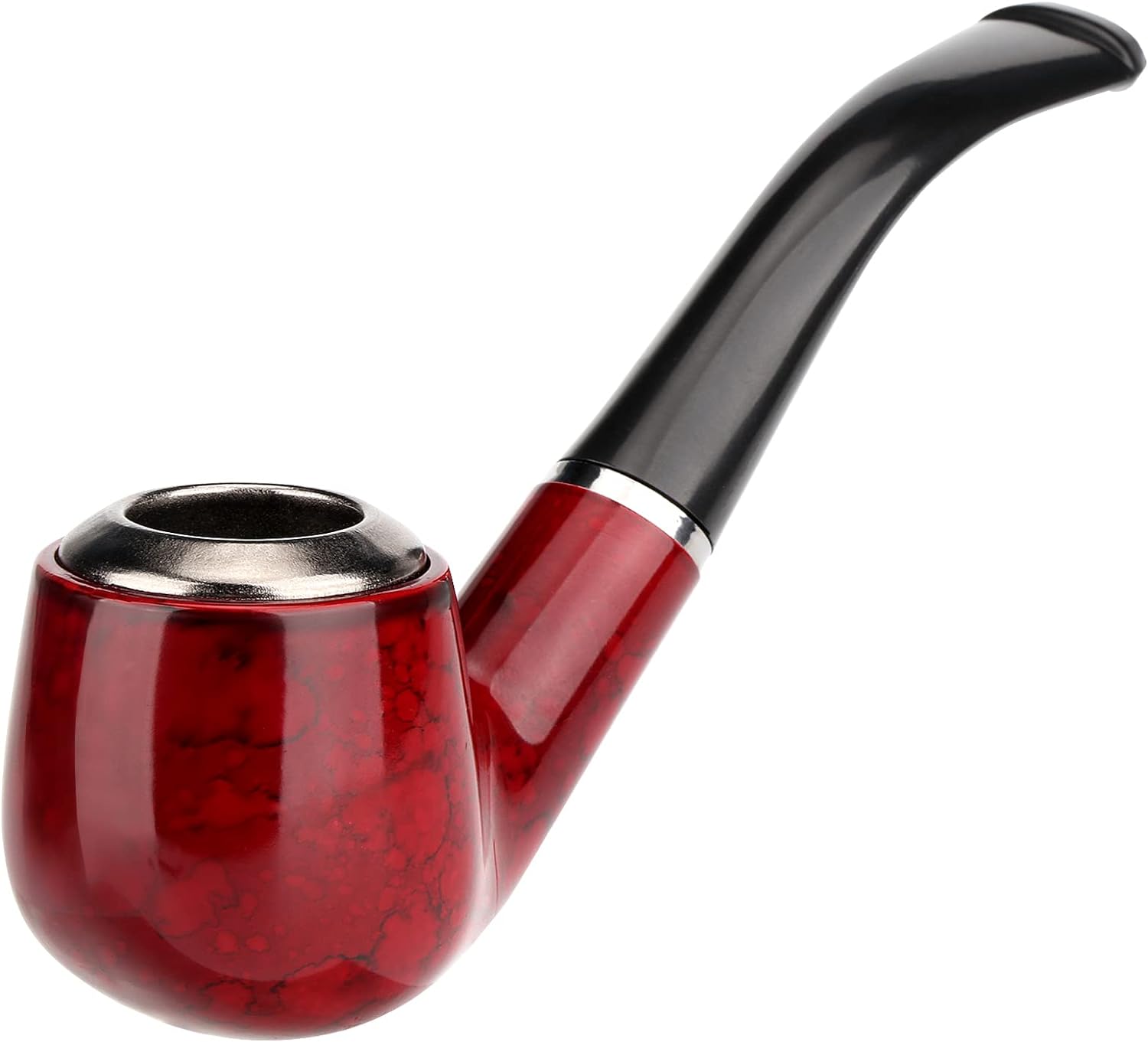
Anyone who has stood before a display of pipes for the first time knows the feeling. Rows of shapes have many materials that look alike until someone explains the difference, and no clear starting point. Most guides drown you in jargon. Skip the practical part. This guide is here to answer the questions people have: what are the real differences between smoking pipe types, what is the material made of, and how do you keep a pipe in condition instead of ruining it in the first month?
The Basic Anatomy First
Before getting into types, it helps to know the parts because every other section refers back to these. A pipe has a bowl (where the tobacco sits and burns), a shank (the body connecting bowl to stem), and a stem or bit (the part that goes to the mouth). Some pipes also have a filter chamber built into the shank to cool and clean the smoke before it reaches the stem. Knowing these three or four parts makes every material and maintenance conversation much easier to follow.
Common Pipe Types
Straight pipes are the most common shape. A direct line from bowl to bit with no bends. They are easier to clean because there is no curve for residue to collect in, which makes them a sensible starting point for anyone to pipe.
Bent pipes curve downward from the shank to the stem, which changes how the pipe sits in the mouth and can feel more comfortable for use since less weight hangs off the jaw. The trade‑off is a trickier cleaning path because of the bend.
Churchwarden pipes have long stems originally designed so the smoke travels further and cools more before reaching the mouth. They look distinctive. The extra length also means a bit more care when handling and storing them since they are more prone to snapping if dropped or knocked.
Billiard pipes are the classic, universally recognized shape. A straight cylindrical bowl on a straight shank. It is the shape most people picture when they think “pipe,”. It remains popular because it balances comfort, airflow, and ease of cleaning better than most alternatives.
Calabash pipes have a curved gourd‑like shape (historically made from an actual gourd) that creates a larger air chamber, which some smokers feel gives a cooler, smoother draw. They are less common today but still available for people who want something with character.
Materials: What They’re Actually Made Of
This is where a lot of buyers get confused because the material affects everything from price to how the pipe performs over time.
Briar wood is the common material for higher‑quality pipes, and there is a practical reason for that: briar is naturally resistant to catching fire and handles heat well without burning through, which matters a lot for a bowl that is repeatedly exposed to heat. It also has a grain that looks good as it ages.
Meerschaum is a porous mineral (technically a hydrated magnesium silicate) that is prized for how it changes color over time with use, developing a golden or amber patina. It is more delicate than briar. Needs gentler handling, but many collectors specifically seek it out for that aging effect.
Corn cob pipes are what they sound like. The bowl is made from a dried corn cob, usually with a separate stem attached. They are inexpensive, lightweight, and surprisingly good at absorbing moisture, which makes them a common recommendation for people just starting since a mistake with a corn cob pipe does not sting the way it would with a briar one.
Clay pipes are one of the pipe materials historically valued for giving a very neutral flavor since clay does not retain much residue or influence taste the way wood can. They are more fragile and less common now. Still available for people who prioritize a clean, unaltered taste over durability.
Glass and metal pipes exist too outside the traditional tobacco‑pipe category, and each comes with very different care needs. Glass is easy to clean thoroughly but breaks easily; metal is durable but can get hot to the touch quickly.
How to Care for a Pipe Properly
This is the part most new owners skip. It is also the part that determines whether a pipe lasts years or a few months.
Let it cool completely before cleaning. Running anything through a bowl or stem can damage the material, particularly briar, which is sensitive to sudden temperature changes when combined with cleaning tools.
Clean the stem and airway regularly. Pipe cleaners (the fuzzy stick tool, not a metaphor) are built for this. Run one through the stem and shank to clear out residue after each use. Skipping this is the single common reason pipes start tasting bitter or stop drawing air smoothly.
Reread the bowl occasionally, not every time. A thin even layer of cake (residue buildup) inside a briar bowl actually helps insulate it. Is generally considered fine to leave. When it builds up too thick, a bowl reamer tool should be used carefully to bring it back to a manageable layer. Over‑reaming down to bare wood repeatedly can shorten the pipe’s life.
Rotate between pipes if you own more than one. This lets each pipe fully dry out between uses, which matters because trapped moisture is what leads to taste and, over time, cracking in wood pipes.
Store the pipe properly. A dry, stable spot away from sunlight and humidity swings protects both wood and mineral pipes from warping or cracking. A simple pipe stand or rack, which GetNow.pk lists alongside its pipe collection, keeps the bowl elevated. Prevents residue from settling into the shank while the pipe is not in use.
Avoid cleaning chemicals. Alcohol‑based cleaners are sometimes used sparingly for cleaning, but frequent use can dry out and damage wood pipes. For care, a dry pipe cleaner and occasional light reaming cover most of what is needed.
A Brief, Honest Health Note
It is worth saying smoking of any kind carries health risks, and that applies regardless of what is being smoked in the pipe. This guide covers the pipe as a product. Its design, materials, and upkeep. Not a recommendation to smoke. Anyone using a pipe should be making a choice about that on their own terms.
Choosing Your First Pipe
For someone buying their pipe, the practical advice that comes up most consistently is to start with something forgiving. A corn cob or a simple briar billiard are both low‑cost enough that a learning‑curve mistake does not feel expensive and simple enough in shape to clean without hassle. Once the basics of cleaning, reaming, and storage feel familiar, moving to a pipe a churchwarden or a meerschaum becomes a much easier decision because the fundamentals carry over regardless of shape or material.
GetNow.pk carries a range across these categories with material and shape details listed on each product page so buyers are not guessing between briar, meerschaum and corn cob options.
Frequently Asked Questions
What is the best pipe material for a beginner?
Corn cob or briar are the commonly recommended starting materials. Both are relatively forgiving and inexpensive compared to meerschaum or clay.
How often should a pipe be cleaned?
The stem and airway should be cleaned after every use with a pipe cleaner. Reaming the bowl is only needed occasionally once cake buildup gets too thick.
Do bent or straight pipes smoke differently?
The airflow principle is the same. Bent pipes can feel more comfortable for longer sessions, while straight pipes are easier to clean because they have no curve.
Why does briar wood get used for pipes?
It naturally resists catching fire and holds up under repeated heat exposure, which makes it more durable than most other woods for this purpose.
Where can I buy pipe accessories like cleaners? Stands in Pakistan?
GetNow.pk stocks pipes alongside accessories such as cleaners and stands, with details on material and size listed per product.